PROMPT
BATTLE
BattlePrompt is a live, head-to-head AI image game. Two people, one prompt each, the same brief — and a roomful of voters watching both images render side by side. It’s part party game, part teaching tool, part performance.
Built to make prompting visible. Most people only ever see the polished output of an AI model. Battles surface the messy half — what worked, what didn’t, why this prompt produced a cathedral and that one produced a bus shelter.
Three rounds. Two prompts. One winner.
Two competitors, one theme
A host launches a battle, picks a theme — usually a paradoxical brief like "A library for the illiterate" or "A factory for silence" — and two competitors line up. Anyone with a phone can join as a voter.
Write prompts under pressure
A timer starts. Both competitors race to write a single prompt that captures the brief. Their text is sent through a frontier image model — Flux, SDXL, Recraft, Ideogram — and the audience watches both images render in real time.
The audience picks a winner
Voters tap the image that best answers the brief. The winning prompt and its image stay on the leaderboard; the losing one gets archived. Repeat for as many rounds as the host configures, and the round wins decide the match.
A reason to talk about images.
Image models open a door onto an effectively infinite space of possible images. That space is impossible to navigate alone. Most prompting is a private monologue with a black box — type, generate, accept, move on. The reasoning never gets said out loud.
Battles force the conversation out into the room. Two prompts, one brief, two images rendering side by side, and an audience that has to look closely enough to vote. What follows is the actual valuable thing — people pointing at images and arguing about why one feels right and the other doesn’t. Why this composition lands. Why that figure is uncanny. What the prompt was reaching for and what the model heard.
Articulating taste is the hard part. Naming what you like, why you like it, what would have made it better — those are skills you can only build in dialogue. Battles give you a structure to do it together, in public, with stakes low enough that disagreement is fun.
The classroom angle is real — it’s used in design schools — but the bigger pitch is more general. A model can produce a thousand answers in a minute. Choosing among them is the work. BattlePrompt makes that work collaborative.
THE
ARCHITECT’S
DREAM
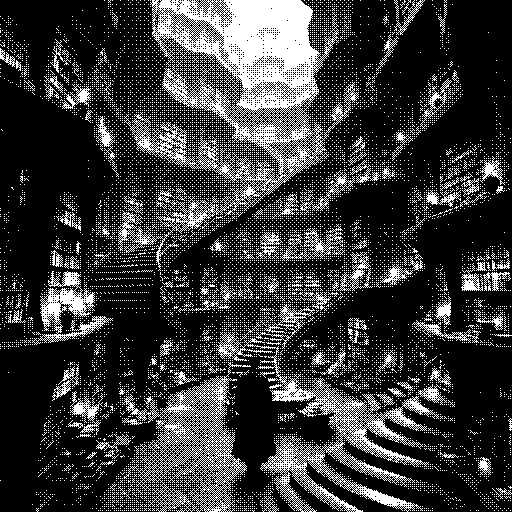
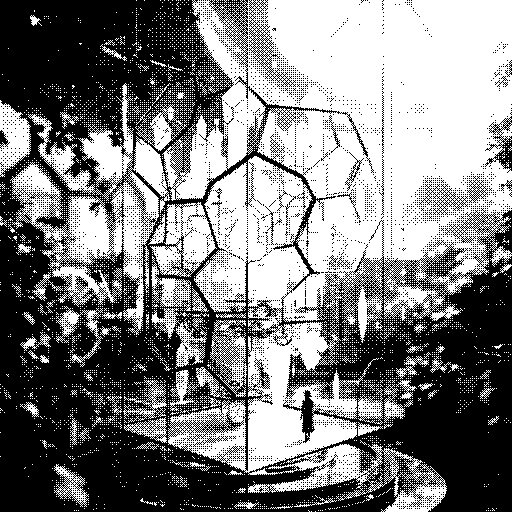
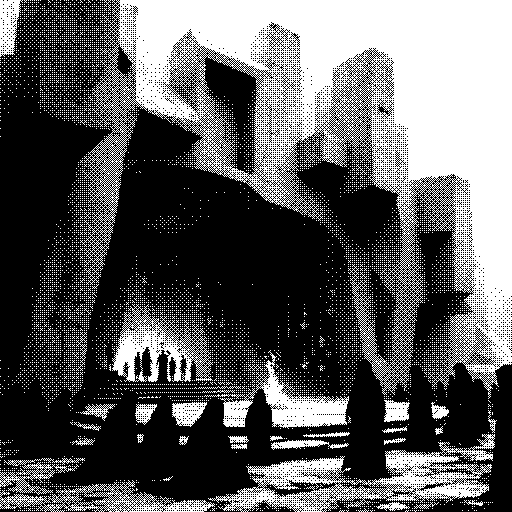
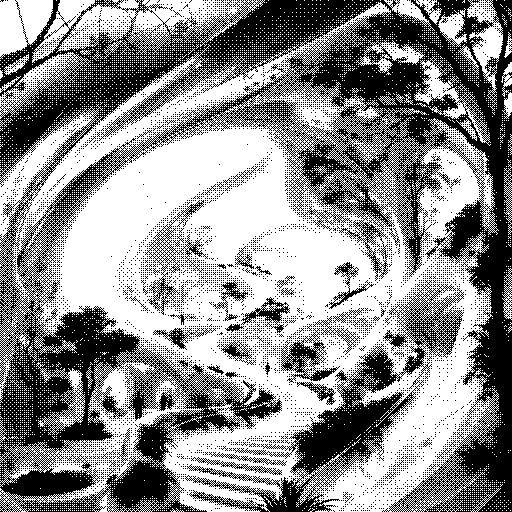
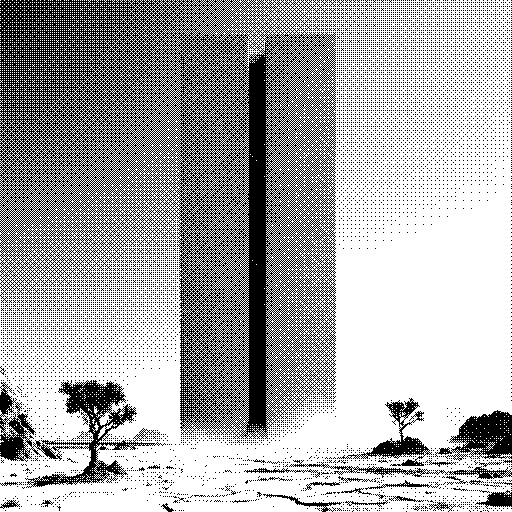
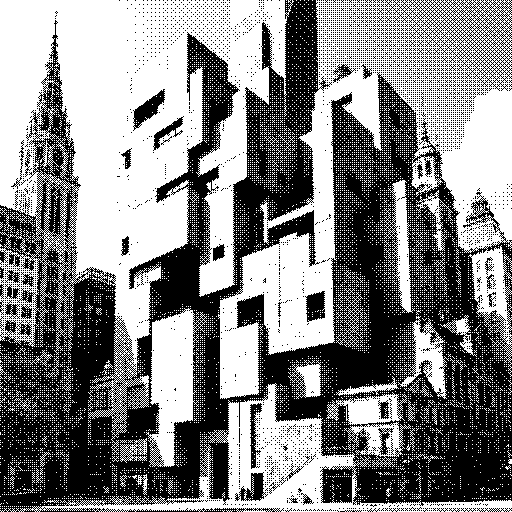
BattlePrompt was first shown publicly at The Architect’s Dream, a Melbourne Design Week 2025 show of speculative architecture made with AI image tools — Midjourney, FLUX, Krea AI, Unreal Engine — by architecture students at UniSA and RMIT. The pieces below are from that exhibition.
Words by
Nathan James Crane
Architecture has always operated within a space between vision and material reality. It responds to critical challenges, providing spatial solutions and infrastructural interventions, yet it also speculates — imagining futures beyond the immediate constraints of material, politics, and time.
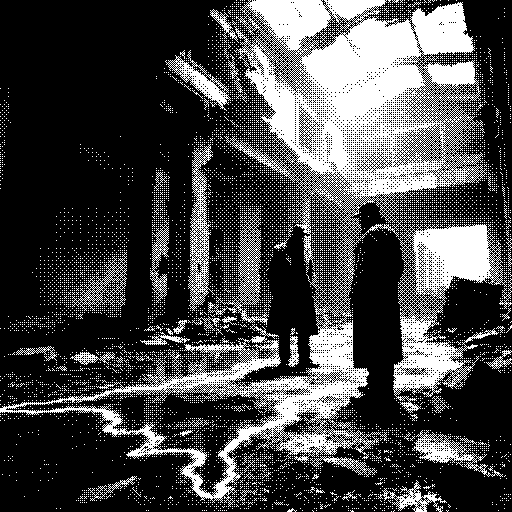
In the world of Ridley Scott’s Blade Runner (1982) and Philip K. Dick’s Do Androids Dream of Electric Sheep? (1968), reality and dreams blur, forcing us to question the nature of creativity and consciousness. Just as androids grapple with the authenticity of their memories, architects and designers now face a similar conundrum: if AI-generated images can imagine new worlds, whose vision do they truly represent?
Today, as artificial intelligence increasingly mediates the design process, a new terrain emerges, where intention, algorithmic interpretation, and execution coalesce in ways that are both expected and unanticipated. The Architect’s Dream interrogates this liminal space, showcasing speculative architectural work that reveals AI’s role not just as a tool for rendering possibility, but as a provocateur that exposes unconsidered opportunities.
AI image-making tools — trained on vast datasets that amalgamate histories, aesthetics, and stylistic tendencies — operate within a paradox: they can convincingly simulate new architectural futures while being fundamentally constrained by what has already been produced. Yet, somewhere between the precision of the algorithm and the subjectivity of the designer, an emergent condition arises — one that neither fully belongs to human authorship nor to machine learning logic.
This third condition, where human intentionality meets computational indeterminacy, is precisely where new architectural languages can be unearthed.
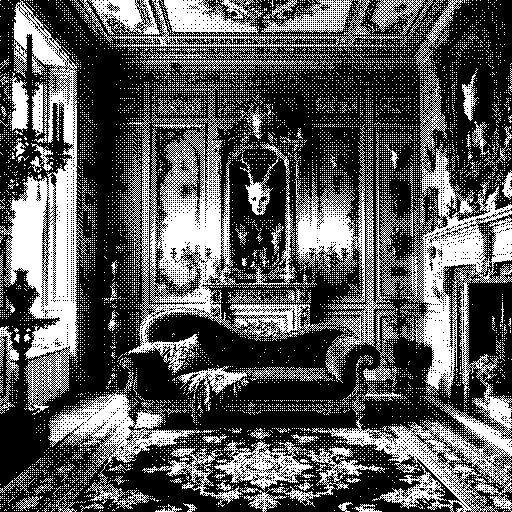
The work draws on AI and gaming workflows as experimental tools within architectural pedagogy. Students engaged platforms such as Krea AI, MeshyAI, and Luma AI Genie in combination with real-time engines like Unreal Engine — moving beyond conventional text-to-image generation into cinematic and explorable environments, allowing for the simulation of speculative ecologies, the fabrication of hybrid materialities, and the prototyping of polemical spatial narratives through immersive worldbuilding.
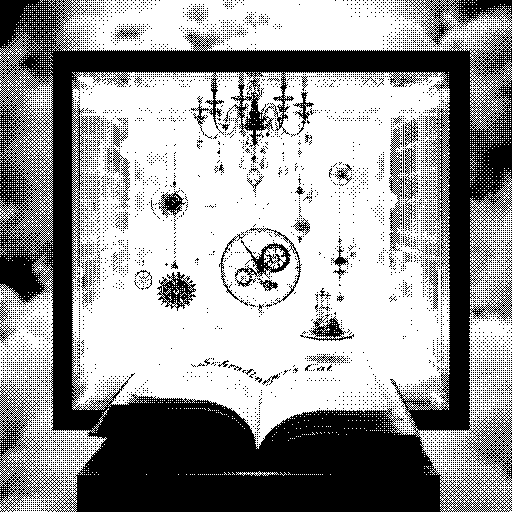
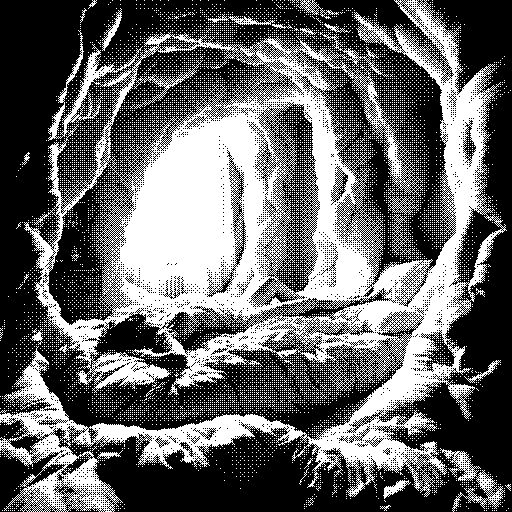
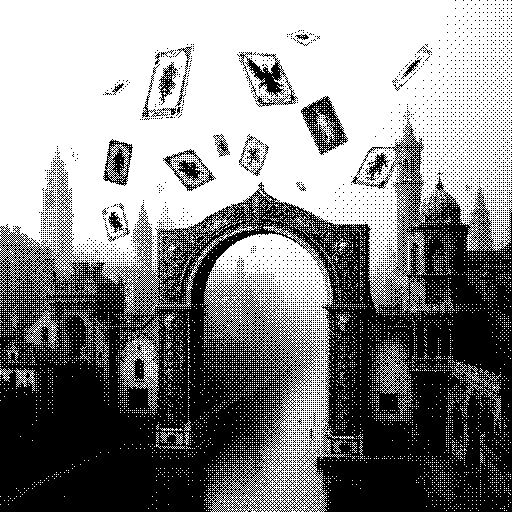
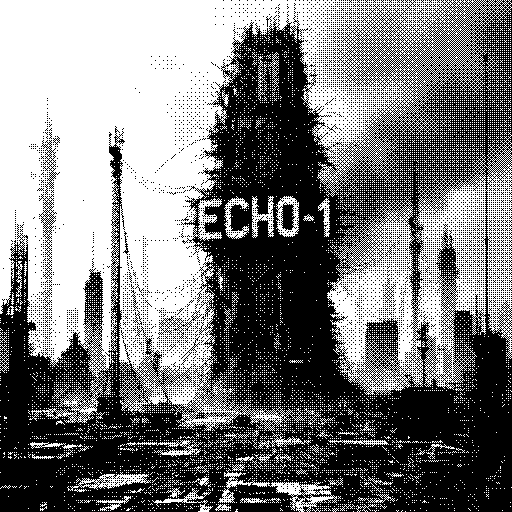
- Dr Sean PickersgillUniSA
- Andrew Lymn-PenningUniSA
- Dr Nathan James CraneUniSA
- Dr Patrick MacasaetRMIT
- Vei TanRMIT
Midjourney · FLUX · Krea AI · MeshyAI · Luma AI Genie · Unreal Engine
University of South Australia · RMIT University